High stake fuel decisions
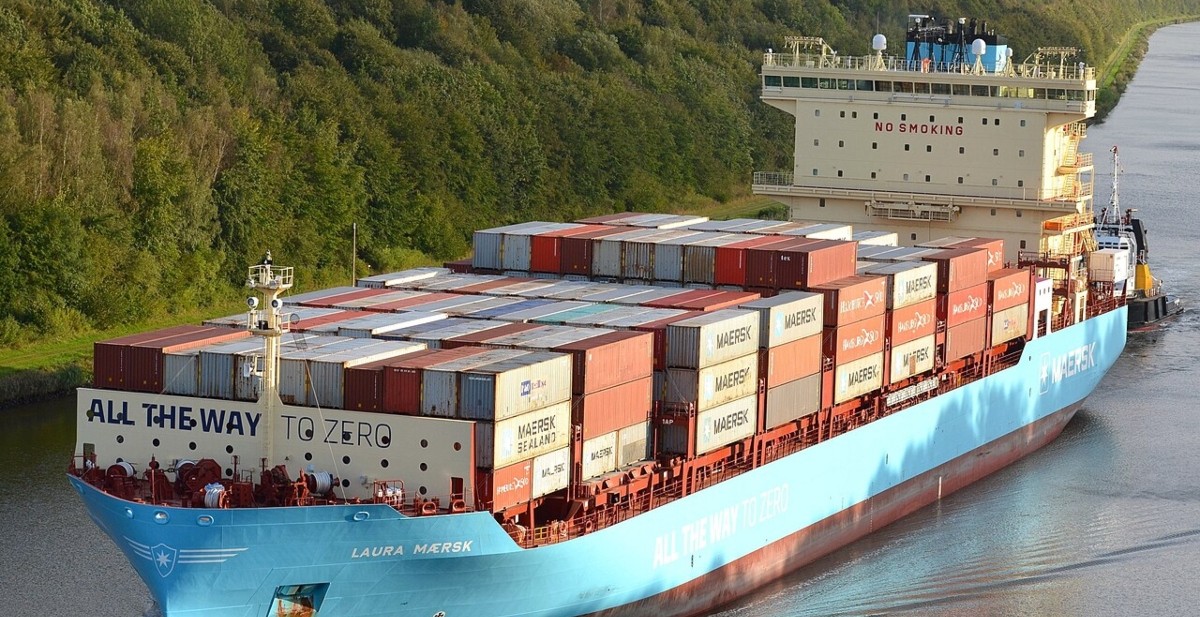
Methanol matures, but shipowners face fuel-choice dilemma
By Carly Fields
Methanol may have cleared many of the technical hurdles standing between it and widespread use as a marine fuel, but shipowners still face a considerably harder question: how much confidence should they place in any one fuel pathway when ordering vessels expected to trade for decades?
That is the challenge at the heart of DNV’s latest white paper on methanol in shipping, which finds that many of the ship-related barriers surrounding methanol have fallen substantially since 2020. The bigger uncertainties now lie in fuel price and availability, regulation and, ultimately, whether owners can formulate strategies robust enough to withstand a changing decarbonisation landscape.
Methanol has moved rapidly towards the mainstream. There are now 450 methanol-capable merchant vessels either operating or on order, making methanol second only to LNG among alternative fuels.
DNV projects that the fleet’s potential methanol consumption capacity could exceed 15 million tonnes by 2030, led by ultra-large and new-panamax containerships.
Yet installed capability and actual use are two very different things. Most methanol-capable vessels today continue to operate on fuel oil or fossil methanol, while uptake of low-GHG methanol remains limited. The constraint is increasingly shifting away from whether ships can use methanol towards whether low-GHG supplies can be secured at prices that make commercial and regulatory sense.
“While using methanol as fuel offers benefits, the widespread adoption of low-GHG methanol is hindered by the challenge of ensuring its availability at a competitive price,” DNV says.
Availability options
The report's scenario modelling underlines just how wide the range of possible outcomes remains. DNV puts potential demand for low-GHG methanol in 2040 anywhere between zero and 60 Mt, depending on regulation, growth in methanol-capable tonnage and the extent to which operators actually use their methanol capability. Under its FuelEU Maritime scenario, demand reaches 5-12 Mt by 2040, compared with 20-50 Mt under its IMO Net-Zero Framework Base scenario and 24-60 Mt under maximum use.
Supply prospects are less constrained than the debate around green fuels sometimes suggests. DNV identifies decided low-GHG methanol projects representing 14 Mt of annual capacity by 2030 and 42 Mt if all announced projects are counted. Its analysis concludes that the existing production pipeline could meet shipping demand through 2040 in most of its scenarios, provided shipping is the principal buyer. Competition from chemical feedstocks and other users, however, means that proviso matters.
This produces a chicken-and-egg problem familiar across shipping's energy transition. Owners want confidence that fuel will be available at predictable prices before committing capital, while producers want firm evidence of long-term demand before investing in new capacity.
DNV identifies an important imbalance in those risks. A shipowner investing in dual-fuel methanol capability retains the ability to use fuel oil and potentially drop-in biofuels. A producer building a low-GHG methanol plant, meanwhile, faces large upfront capital expenditure and depends much more heavily on a future market emerging.
“Ultimately, regulatory clarity is essential to send strong demand signals and unlock investment in low-GHG methanol,” the report says.
Guidance for owners
For individual owners, however, the immediate challenge is broader than deciding whether methanol will win. Here, the report shifts the question from predicting the dominant future fuel towards constructing an investment strategy capable of surviving several plausible futures.
DNV warns that owners are choosing among biodiesels, methane, methanol and ammonia, while also deciding how much fuel flexibility or readiness for later conversion should be incorporated into vessels.
“This decision carries great risk, as a wrong choice will have a significant impact on long-term income and asset value,” it says.
DNV proposes a two-stage framework, beginning with economic analysis before moving into detailed technical evaluation.
The economic assessment is intended to compare the long-term profitability and competitiveness of alternative fuel and compliance strategies, including pooling compliance across multiple ships. Crucially, this is not based on selecting one assumed future fuel or carbon price.
“The analysis should assess a ship or a fleet under a range of varying fuel and CO2 prices, covering all GHG regulations and associated GHG trajectories, to provide a clearer picture of the robustness of each fuel strategy,” DNV says.
That approach puts uncertainty itself at the centre of fleet planning. Investment costs, future newbuilding and retrofit costs and other assumptions should be subjected to sensitivity analysis.
Rather than identifying the option that performs best under one forecast, the exercise is designed to establish which strategies remain competitive across different scenarios.
The strongest candidates then progress to a technical assessment examining what those fuel strategies mean for the actual ship. That covers storage capacity, bunkering frequency and operations, tank designs and possible locations, fuel preparation and supply, energy converters and changes to the vessel's general arrangement. Owners also need to consider issues such as hazardous areas and the additional space demanded by alternative-fuel storage.
For owners unwilling to commit immediately to a single alternative fuel, the report also highlights Fuel Ready approaches, under which newbuildings can incorporate preparations for later conversion, including consideration of trim, stability and structural modifications.
The message is particularly pertinent for methanol. Its appeal increasingly rests not simply on its decarbonisation potential but on flexibility. The fuel remains liquid at ambient temperature and pressure, bunkering infrastructure is comparatively close to conventional bunker arrangements and the technology is relatively mature. With minor modifications, methanol-capable vessels could also burn ethanol, DNV notes.
But none of this eliminates the commercial gamble. Low-GHG methanol must still compete against other compliance routes, while future economics will depend heavily on fuel and carbon prices and the direction of regulation.
For shipowners, DNV's argument is therefore less a call to bet on methanol than a warning against betting the fleet on a single forecast.